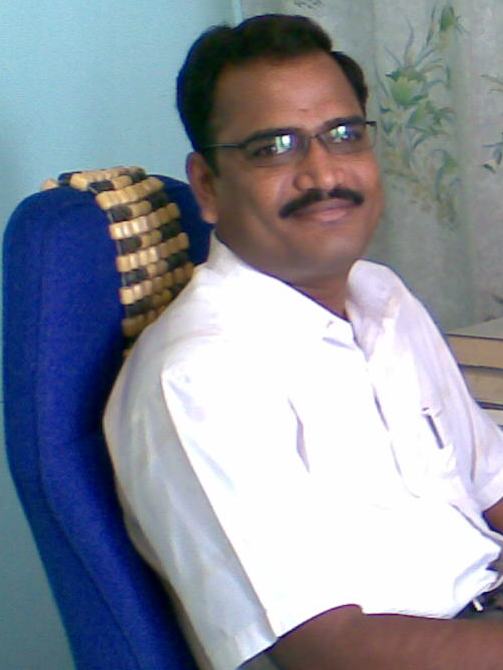
Dr.D.Senthil Kumar

Dr.D.Senthil Kumar
Psychologist & Psychotheraphist

Please visit Vivekanantha Homoeo clinic & Psychological counselling Center Official web site


http://homeoall.com/


Vivekanantha Psychological Counseling Center & Homoeo clinic


We offer

PSYCHOLOGICAL GUIDANCE and COUNSELING

1-Family Guidance and Counselling

2-Carrier Guidance and Counselling

3-Sex Guidance and Counselling

4-Educational Guidance and Counselling

5-Adolesent Guidance and Counselling

6-Pre and post marital Guidance and Counselling

7-Stress Guidance and Counselling

8-Anxiety Guidance and Counselling

9-Depression relieving techniques

10-Personality development programs


PSYCHOLOGICAL TESTING

1-Measuring stress

2-Measuring job satisfaction and involvement

3- Measuring organizational climate

4-Memory tests

5-Creativity test

6-Marital satisfaction test

7-Measuring anxiety

8-Attitude test

9-Assertiveness test

10-Self esteem test


SEXUAL PROBLEMS:

Ø HUSBAND/WIFE IS NOT HAVING DESIRE TO HAVE SEX,

Ø DRINKS ALCHOHOL,

Ø ADDICTED TO SMOKE,GANJA,

Ø MENTALLY SICK,

Ø DEPRESSION.

Ø HUSBAND HAVING AFFAIR WITH ANOTHER LADY,

Ø UNNESSARILY SUSPECTING WIFE.

Ø PENIS IS SMALL IN SIZE AND REFUSES FOR TREATMENT,

Ø EJACULATE SPERM IN VERY SHORT PERIOD.

Ø PAIN DURING INTERCOURSE,

Ø WHITE DISCHARGE (Leucorrhoea),

Ø ITCHING IN THE GENITAL REGION,

Ø FEMALE MASTURBATORY PRACTICE

Ø MALE MASTURBATORY PRACTICE,

Ø PREMATURE EJACULATION

Ø GETTING DISCHARGED EVEN BEFORE HAVING SEX,

Ø POOR ERECTION,

Ø PENIS NOT IN STRAIGHT,

Ø SWELLING OF TESTIS,

Ø TO GET RID OF FROM HOMOSEXUAL PRACTICES,

Ø EXCESSIVE SEXUAL DESIRE,

Ø UNABLE TO RETRACT SKIN OVER THE PENIS

Ø VERICOCELE


We are providing counselling and guidance for

» Penis-Length-Width/Curvature
» Masturbation
» Semen - Quantity/With Urine/Stool
» Night Discharge
» Sexual Interplay Interplay
» Oral Sex
» Organic/Psychological Impotence
» Male/Female Multiple Orgasm
» Sexual Positions
» Sex After 50
» Sex With Same Sexuality
» Use of Condom in Male & Female
» Family Planning
» Hormones/Sex Tonic
» Towards Healthy Sexuality
» Miscellaneous
» Complete Counselling of Proposed Couple


Children’s

v Adamant

v Learning Disability

v Do not obey the parents comment

v Violence

v Hyperactive child

v Sluggish child

v Adolescent Problems

v Teen age love and affection

v Infatuation

v Poor memory

v Lack of concentration in studies

v Sudden change of activities

v And more…


We conduct

Personality Assessment Test

For

MNC & Corporate Companies (Recruitments and Promotion)


For Direct Consultation Please visit


Chennai - Head Office

(Consultation by Appointment only)

Vivekanantha Homeo Clinic & Psychological Counseling Center

B-12, Second Floor, Paramount Park (Dr Plaza) - B Block,

Velachery Main Road,

Direct Opposite to Saravana Stores, Mega mart upstairs,

Near Vijaya nagar Bus Stand,Velachery, Chennai 42,


Panruti – Branch Office

Vivekanantha Homoeo clinic & Psychological Counseling Center

126,Chennai Salai

( Near Railway Gate, Lakshmi Villas Bank ATM Direct Opposite)

Panruti 607106

Cuddalore District

Tamilnadu


For Appointment

Please call: 09443054168, 09786901830


Pondicherry Camp

(Consultation by Appointment only)

Every Saturday:11.00am to 04.00pm


NB:-

Ø We are taking only minimum number of patients per day.

Ø We are allotting 40 to 5o minutes for new patients & 15 to 20 minutes for follow-ups.

Ø So be there at time to avoid unwanted waiting

Ø For Psychological consultation “we concentrate more to client’s privacy, so we are allotting 40 to 50 minutes/client – so be there at time


For Appointment

Please call: 09443054168, 09786901830


For Foreign patients

For more detail and mode of payment

Send mail to consult.ur.dr@gmail.com

Or

Call +91 9443054168, +91 9786901830


http://homeoall.com/

Professional secrecy will be maintained

(Your complaints and other Details should be kept very confidential)


--==--


Online or Telephonic Psycho Counselling and Psychotherapy

Rs 750/- (Seven hundred five rupees only)

(For one hour telephone Counselling or Direct Consultation-Counselling calculate according to the sittings)


Mode of Payment

1-Please pay Rs 750 in State Bank of India (SBI) any branch of INDIA in favour of Dr.D.Senthil Kumar A/C No: 10577754912 Payable at Panruti (IFS Code: SBIN0002251) Branch

Or

Please pay Rs 750 in ICICI bank any branch in INDIA in favour of Dr.D.Senthil Kumar A/C No: 101401501103 Payable at Panruti (IFS Code: ICIC0001014) Branch (Through core banking or net banking)

Or

For abroad patients (please mail us to know the Fees + medicine charges + shipment charges) Pay through Western Union Money Transfer in favour of Dr.D.Senthil Kumar,

Note: Don’t forgot to mention your own Name, Age and Place (e.g. Kumar 29 Mumbai) in Remark section while making net banking, online payments


2-Please sent the payment details (Name, Age, Place, Date, Time & mode of Payment) through SMS to +919443054168, +919786901830 or Mail to consult.ur.dr@gmail.com


3-You will receive the Questionnaire for patients through mail within one or two working days. Then you need to fill and send back to us with previous reports & prescriptions (if you have). We will go through your case history. If we have any further more quires we will ask you through mail. Otherwise we will book you the medicines


4-You will receive the Medicines along with using details within 7 working days (in India), for abroad patients days may increase.


http://homeoall.com/

Professional secrecy will be maintained

(Your complaints and other Details should be kept very confidential)


Dr.D.Senthil Kumar’s

PROJECTS

1-Psychological and Homoeopathic Management of Essential Hypertension (For M.Sc -Psychology, Madras University, Chennai at the year of 2000-2002)

2-A Psychological study on Stress and anxiety among Hypertensive patients (For M.Phil- Psychology, TNO University, Chennai at the year of 2008)


ARTICLES

1-A case of Hepatitis (Homoeo times (A International journal on Clinical Evidence) Vol 2 Issue 7 July 2005)

2-A case of Furranculosis (Homoeo times (A International journal on Clinical Evidence) Vol 3 Issue 6 June 2006)

3-A case of Alopecia areata (Homoeo times (A International journal on Clinical Evidence) Vol 4 Issue 7 July 2007)

4-A case of ADHD (Homoeo times (A International journal on Clinical Evidence) Vol 5 Issue 2 Feb 2008)

5-A case of Atopic Dermatitis (Homoeo times (A International journal on Clinical Evidence) Vol 5 Issue 7 July 2008)

6-Childrens Milk Allergy (Homoeopathy Sudar (Tamil) May 2003)

7-http://similiacare.com/2008/10/15/irritable-bowel-syndrome-ibs-by-dr-senthil-kumar.html


Social Activities

1-Trained Yoga instructor by Vivekanantha Kendra, Kanyakumari at the year of 1999

2-Psychological counsellor for various school and college through Panruti Jaycees

3-Conducted many Homoeopathic Free medical camps and treated thousands of Patients

4-Past Secretary of Panruti Jaycees Club

5-Member of Panruti Rotary club

6-Past President of EXNORA INNOVATORS CLUB OF PANRUTI

7-President of Homoeo doctors study circle

8-Counsiller for Panruti Rotary Club Psychological counselling Center


Thursday, July 28, 2011

Rational Emotive Behaviour Therapy (REBT)


Rational Emotive Behaviour Therapy (REBT), founded by Albert Ellis is a "cognitive-behavioural" therapy. It was earlier known as Rational Emotive Therapy (RET). It is based on the concept that emotions and behaviours result from cognitive processes; and that it is possible for human beings to modify such processes to achieve different ways of feeling and behaving. 

Rational Emotive Behaviour Therapy (REBT) maintains that our emotional problems and counterproductive behaviour are largely the result of 'crooked' unhelpful thinking. The basic premise of this approach to counselling and psychotherapy is that it is not events that cause our problems, but the way we think about them. 


REBT believes that human disturbance is essentially ideologically or philosophically based, and so it
strives for a thorough philosophic reorientation of a person's outlook to life. It uses the didactic approach i.e. teaching and re-educating the client in balanced and correct ways of thinking and behaving, and thus helping him acquire rational, realistic and appropriate beliefs of life.

Albert Ellis, founder of Rational Emotive Behaviour Therapy (REBT) reasoned that therapy would progress faster if the focus was directly on the client's self-defeating ideas, verbalizations and 'beliefs'. He observed that client's tended to get better when they changed their ways of thinking about themselves, their problems, and the world.

Albert Ellis calls our unhelpful thoughts "irrational beliefs" and says that they are at the core of much emotional disturbance. Rational beliefs on the other hand, are flexible, helpful ways of thinking and enable us to be psychologically healthy. In REBT the counsellor helps the client understand the role of such irrational "beliefs" and self-defeating value systems, in causing and maintaining problems in his life.

Rational Emotive Behaviour Therapy (REBT) workshops help counsellors to develop knowledge and skills in this very effective, efficient and empowering method of personal change.


---

Necessity of Pre-Marriage counselling and check-ups


Like Western countries, the divorce rate in our country is steadily on the rise. On going into details, invariably the cause is found to be either a physical incompatibility or emotional incongruity between the partners. In 90% cases the trauma of divorce can be avoided, if the couple undergoes a counselling session and certain medical investigations just before getting into matrimony.

As family physicians, very often doctors are expected to give guidance to those who are getting 
into matrimony. Parents find it difficult to explain everything to their sons or daughters about the new relationship they are entering into; either out of hesitation or lack of knowledge. Unlike more developed countries, sex education is still not widely advocated in schools or colleges in our country. At such occasions family doctors are invariably asked for help and are expected to oblige the parent community by doing the necessary briefing. In a busy practice, most of the doctors do not find adequate time to devote to Pre-Marriage Counselling, and are very often not too comfortable with counselling.

It is also very necessary to know about the physical well-being of both the partners before they 
marry, particularly about one's reproductive ability and diseases that could be transmitted sexually. Our centre has this unique facility (Pre-Marriage Counselling & Check-up), in which both the partners can have all the concerned investigations done under one roof, and also get a healthy & complete understanding of all the aspects of the male-female relationship. We have a full-fledged Radiology, Sonography & Automated Pathology Laboratory set-up to meet every need in these cases.

In India, match making is still done on the basis of Horoscopes and the religious & financial backgrounds of the two families. It is high time that we start ascertaining the compatibility of the couple on more practical & realistic grounds by undergoing such medical check-ups & pre-marriage counselling.

Having done this, the youngsters will definitely be able to tie the nuptial knot with more confidence & self-esteem and start their new relationship on a more sound footing.


---


Does children require personal counselling?


Children of dysfunctional families do require counselling. However the success of such counselling depends on family therapy i.e. the involvement of parents and other members of the family. The child of psychologically immature parents feels like an emotional orphan, and when he cannot find emotional fulfilment at home, he starts looking for it elsewhere. Juvenile delinquency is the direct result of a dysfunctional family, and teenage pregnancies, alcoholism, substance abuse, association with terrorist outfits and anti-social groups is nothing but a desperate and misguided attempt at creating a world, a family for themselves.

Everyday young children and teenagers are brought by their parents to counsellors for 'treating' "bad behaviour" such as temper tantrums, rebellion, anti-social behaviour, disinterest in academics etc., and the counsellors are faced with the daunting task of gently but firmly confronting the parents about the toxic emotional environment at home. It is most of the time a Herculean task to get the defensive parents into therapy as a family, and more so as a couple.


---

Couple Therapy


A couple is the smallest unit of community living, and how the couple functions as a unit sets the stage for the entire family. Thus, the beginning of the family whether functional or dysfunctional, starts with the couple. A family is known as dysfunctional when the desired goals of closeness, self-expression and meaning cannot be attained by the family members. When this happens, symptomatic behaviour takes place.

Thus, we understand how important it is for a couple to have a healthy and harmonious relationship with each other not only for themselves, but also for their child.

Since the emotional health of the couple directly affects the emotional health of the children and the family as a whole, it is high time that parents start focussing on their relationship as a couple and work towards strengthening it. The time and effort put into creating harmony with each other will reap rich dividends in the form of family health.
Happy couples create happy families, which in turn create happy communities, happy nations and a happy world.


---


Wednesday, July 27, 2011

Signs to Likes You


Reading a woman’s body language will give you many visual clues which hint that she likes you (but might be playing hard to get). Find out how to read the most basic open gestures of body language in this article.

The Five Open Gestures


Gesture 1 - The Butterfly
The butterfly is the gesture she makes after you've made eye contact with her across a crowded room. Essentially, the eye contact is a call-to-action. You want to see some sort of reaction from her to show that she is interested or attracted to you. Playing with her hair, adjusting her clothes or jewellery, and fiddling with her straw in her drink are all butterfly reactions. If you get any of these signs, she may well be interested in you.

Gesture 2 - The Palm Reader
Exposed wrists and palms are signs of openness and sincerity which she will present to people she is interested in. Subconsciously, she is saying "If you want me, come and get me". This is very similar to The Pointer, whereby she will "point" at you with her foot or knee (when her legs are crossed).

Gesture 3 - The Leaning Tower of Love
This gesture can be seen when she leans forward towards you. Her upper body will be facing you if she's interested. In essence, she will lean forward and point at what she wants. Unlike the tower of Pisa, this gesture means she is not made of stone! (Too cheesy? Maybe..)

Gesture 4 - The Cheshire Cat
This is a bit of a no-brainer. If she smiles at you when you make eye contact, get over there immediately and strike up some conversation. She is very keen.

Gesture 5 - The Midas Touch
If she is touching you a number of times while you are talking, for example, tapping you on the arm when making a point, she is very interested. She's probably not even playing that hard to get at this point, so go in for the kill!

Obviously, there are many different gestures and signals which show her interest in you, but learning the basics now will allow you to pick up the more complicated signs easily later. Once you understand the science behind body language, the gestures mentioned in this article are common sense and can be applied to many different situations in all aspects of your life.


---


Build your confidence in any life situation


We watch the star athlete calmly make the final shot, score the winning goal, or lead his team for a touchdown in the final minute of the game. We marvel at their talent and their determination, but what we value and admire most is the supreme confidence they display – they know they will succeed.

Confidence is an attribute that is alluring, attractive, valuable, desirable and contagious. Most everyone aspires to greater levels of it, even if they feel confident most of the time. It is a trait that will help us create greater results for ourselves and when leading others. Any trait with this much benefit is one worth developing. And yes, you can develop and strengthen your confidence.

Consider these five steps as the building blocks for greater confidence in any part of your life.

Remind yourself of past successes.
  • Confidence builds on past success. Since you have had success before, you can (and will) have it again. We strengthen our confidence in any activity when we review or remind ourselves of past successes. If you are trying to build confidence in a new area, past success can still help us strengthen our confidence. For example, if you have had success in doing something new in the past, review those experiences when trying something else new – even if it is in an entirely different part of your life.

Read and listen to positive materials.
  • Fill your mind with positive and affirming words, ideas and stories. Read things that enhances your skills or knowledge in the area in which you want to build your confidence. Read materials that are generally uplifting and affirming, and read biographies of successful people. You will find that many of them had troubles in life, came from tough situations and still succeeded. If you have ever thought, “Well, if they can do, I could too.” Then you realize that we can build our confidence by reading about others stories. Reading and listening to positive materials is about reinforcement, encouragement, and learning. All three of these components are needed for greater confidence.

See your future success.
  • Olympic athletes, corporate executives, and successful people in all sorts of endeavors visualize future success. Confidence will grow when we see ourselves succeeding. Think about it, if you know you will succeed, your confidence will soar, right? Visualizing future success does that very thing for us. Our minds cannot tell the difference between something real and something vividly imagined. So vividly visualize your success. What will it look like, smell like, and taste like to have succeeded? Who will be with you, what will you be hearing and where will you be? How will you be feeling at that moment? Putting this much detail into your vivid picture improves the likelihood of success, and supports greater confidence!

Reframe failure.
  • Thomas Edison spent a long time trying to create an incandescent light bulb – to create light from electricity. He is attributed with saying, “I have not failed, I have discovered twelve hundred materials that don’t work.” 1,200! Perhaps you feel you can reframe your failures as learning experiences – as a chance to find out what doesn’t work. But would you be able to do so 1,200 times? Know that failures will occur - and your confidence won’t be as shaken when they come. Use the failures as an opportunity to learn. Realize that every failure puts you that much closer to success. When we reframe our failure as a learning experience we reduce our fear and increase our confidence.

Take confident action.
  • You wanted confidence to help you try and succeed in new ways, right? So get out there and get at it! You have to put your confidence to the test. You have to practice. And, while you are taking action, make it confident action! Remember that if you act confident, you will be more confident. Review the other steps you have been taking to build your confidence. If you are driving towards your new action step, remind yourself of past successes, again. Visualize the successful outcome, again. Build your confidence at every step of the way, but remember it all must lead to action.

These steps are a regimen for strengthening and building your confidence in any life situation. Use these steps and I am confident, you will be more confident.


---

Freaky phobias - Express Buzz - The New Indian Express


Last Updated : 22 Jul 2011 08:05:52 AM IST


Shoba Pillai starts hyperventilating every time she hears the doorbell ring. The 27-year old, who works at a MNC in Chennai, would break into a sweat and suffer a panic attack for fear of opening the door. “While there is no scientific term for fear of doorbells or even mobile phones ringing, such phobias are exaggerated, irrational fears which can affect people,” says Puka Kanth Alfred, a counselling psychologist and EFT (Emotional Freedom Techniques) therapist in the city. “Some people develop phobias after a traumatic experience—in this particular case, the person had an experience of being stalked, so she carries negative feelings associated with the event long after it passed,” Alfred points out.
However, Dr Senthil Kumar, a Chennai-based psychologist, argues that phobias usually have no cause. “It is an entirely illogical fear, where you are unable to trace the exact reason or time the phobia developed,” he says.
Kumar mentions that current lifestyles, where people indulge in junk food and unhealthy diets, have seen the rise of cardiophobia or fear of heart attacks. “These people imagine they have cardiac problems when the hear a ambulance pass or while crossing a hospital,” he explains.
How severely do these affect their quality of life? Alfred says, some such phobias seriously interfere with the everyday, where people react by avoiding the object of one’s fear, if possible. “One of my clients, had a fear of loss of control of facial muscles, which would severely affect their social interaction. They would be conscious of their smile, and worried whether it appears awkward to others,” she explains. “On the other hand, if one were to suffer from a fear of enclosed spaces (claustrophobia), for instance in a lift, then they would avoid taking the lift, which is how people sometimes deal with phobias” she adds.
Funnily enough, cognitive behavioral therapy or CBT aims to treat just this. It systematically exposes the sufferer to the object of fear, as Dr U Gauthamadas, a well-known neuro psychiatrist in the city will tell you. “For instance, if it’s a fear of cockroaches, we stick pictures of cockroaches around areas the patient inhabits, so that he overcomes the fear gradually,” offers Kumar.
Common treatments include the use of behaviour therapy, where patients undergo a combination of counselling and lifestyle modification. Dr Gauthamadas says he sees cases of astraphobia (fear of lightning and thunder) which is seen during the monsoon season, especially October and November. Kumar tells me EFT is an effective therapy which is commonly used today. “EFT is used to systematically treat phobias where experts have identified 14 energy points on the body, which are then sequentially tapped to channelise energy and remove emotional blockages,” he explains.


---

Tuesday, July 26, 2011

Self Relaxation Tips


Techniques to help u relax..Today's fast-paced lifestyles force us to push our minds and bodies to the limit, usually at the expense of our physical and mental well-being. When we become stressed, our bodies switch to a mode called the 'fight or flight response', which is characterized by increased heart rate, blood pressure, higher breathing rate, etc. Over time, these reactions increase cholesterol levels, disturb intestinal activities, depress the immune system, and leave us feeling 'stressed out.'

"Relaxation techniques are great tools for dealing with stress and promoting long-term health by slowing down the body and calming the mind,” Used daily, these techniques can lead to a healthier outlook towards stressful situations and a decline in stress-related disorders such as anxiety, high blood pressure, high cholesterol, diabetes, insomnia, etc."

Here are some techniques you might want to consider:

1. Deep breathing
A simple but effective method of relaxation. "It works well in conjunction with other relaxation techniques such as Progressive Muscular Relaxation, imagery and meditation for reducing stress,"

  • Inhale. Close your mouth, loosen your shoulders, and inhale as slowly and deeply as you can.
  • Hold. Keep the air in your lungs as you slowly count to 6.
  • Exhale. Release the air through your mouth, again slowly counting to 6.
  • Repeat. Go over the inhale-hold-exhale cycle 5-10 times.

2. Progressive Muscular Relaxation (PMR)
This is good for relaxing your body, especially when your muscles are tense. It requires slowly tensing and then releasing every muscle group individually, from the toes all the way up to the face. "It is useful for calming nerves before an important presentation or performance, and for quieting down when you are highly stressed,"

3. Meditation
"The concept behind meditation is to consciously relax your body and focus your thought processes on one particular thing for a prolonged period. Your mind thus remains occupied and diverted from issues causing you stress,". Follow these steps:

  • Sit comfortable and quietly.
  • Close your eyes.
  • Relax your body muscles (you can use a technique like Progressive Muscular Relaxation for this).
  • Focus on your breathing.
  • Breathe in deeply, then exhale. Count your breaths (gives you something to do with your mind, helping avoid distraction).
  • Repeat this for 10 or 15 minutes.

4. Self-hypnosis
"This is when you hypnotize yourself. Affirmations are often used -- positive statements we repeat to ourselves to counter stress and unpleasant thoughts. An example of an affirmation is 'I feel vibrant and alive. I love how I feel'," Sit down at a quiet, comfortable place. Relax your body. Imagine waves of relaxation running down your body from your head downwards, washing away stress. Feel the muscles in your body relaxing as waves of relaxation wash over them.

Next, utilize suggestion to deepen the state of relaxation. You can do this by simply saying to yourself: 'I am tired and sleepy. I can feel my arms and legs getting heavier. I am becoming more and more tired?' Once you feel completely relaxed, add the affirmations you have prepared too.

5. Yoga
If you have tried it, you already know that it can help you achieve your goals with more focus and renewed spirit. "Yogic breathing reduces blood pressure and brings intense relaxation. Furthermore, it gives you improved appearance via better posture, muscle and skin-tone, if practiced regularly. Bones and muscles are strengthened and joints become more flexible. It is also amazing to see how much more positive a person's outlook on life becomes within just a few months of practice,"

6. Imagery
You may have noticed how particular environments can be very relaxing, while others can be extremely stressful. This is the idea behind the use of imagery in stress reduction. "You use your imagination to recreate a scene, place or event that you recall as being relaxing, safe, peaceful, beautiful and happy. You can bring all your senses into the image by, for instance, imagining sounds of running water and birds, the smell of cut grass, etc. Use the imagined place as a peaceful retreat from stress and pressure,"

7. Music
Another approach is listening to calming music or relaxation tapes. Soothing music has a lot of power to influence your thoughts and feelings. "It takes no effort from your side to listen to these. Moreover, they can be very welcome at the end of a long day,"
With continued practice in the techniques enumerated above, you may experience renewed energy, better concentration, better ability to deal with problems, more efficiency in daily activities, less indigestion, headaches, nausea, and less frequent emotional responses like anger, anxiety, crying, anxiety, apprehension and frustration.

Sounds good, doesn't it? What are you waiting for?


Wednesday, July 20, 2011

Obesity Homeopathy method of Treatment


Obesity in absolute terms is an increase of body fatty tissue mass. In a practical setting it is difficult to measure this directly, and obesity is typically measured by BMI (body mass index) and in terms of its distribution through waist circumference or waist-hip circumference ratio measurements. In addition, the presence of obesity needs to be evaluated in the context of other risk factors and co morbidities (other medical conditions that could influence risk of complications)

BMI
Body mass index or BMI is a simple and widely used method for estimating body fat mass. BMI was developed in the 19th century by the Belgian statistician and anthropometrist Adolphe Quetelet. BMI is an accurate reflection of body fat percentage in the majority of the adult population, but is less accurate in situations that affect body composition such as in body builders and pregnancy.

BMI is calculated by dividing the subject's weight by the square of his/her height, typically expressed either in metric or US "Customary" units:

Metric: BMI = kg / m2

Where kg is the subject's weight in kilograms and m is the subject's height in metres.

US/Customary and imperial: BMI = lb * 703 / in2

Where lb is the subject's weight in pounds and in is the subject's height in inches.

The most commonly used definitions, established by the WHO in 1997 and published in 2000, provide the following values
        A BMI less than 18.5 is underweight
        A BMI of 18.5–24.9 is normal weight
        A BMI of 25.0–29.9 is overweight
        A BMI of 30.0–34.9 is class I obesity
        A BMI of 35.0-39.9 is class II obesity
        A BMI of > 40.0 is class III obesity or severe / morbidly obese
        A BMI of 35.0 or higher in the presence of at least one other significant co morbidity is also classified by some bodies as morbid obesity

Waist circumference and waist hip ratio
BMI does not take into account differing ratios of adipose to lean tissue; nor does it distinguish between differing forms of adiposity, some of which may correlate more closely with cardiovascular risk. Increasing understanding of the biology of different forms of adipose tissue has shown that visceral fat or central obesity (male-type or apple-type obesity, also known as "belly fat") has a much stronger correlation, particularly with cardiovascular disease, than the BMI alone

The absolute waist circumference (>102 cm in men and >88 cm in women) or waist-hip ratio (>0.9 for men and >0.85 for women) are both used as measures of central obesity.
In a cohort of almost 15,000 subjects from the National Health and Nutrition Examination Survey (NHANES) III study, waist circumference explained obesity-related health risk significantly better than BMI when metabolic syndrome was taken as an outcome measure.

Other body fat measurements
  • An alternative way to determine obesity is to assess percent body fat. Doctors and scientists generally agree that men with more than 25% body fat and women with more than 30% body fat are obese. However, it is difficult to measure body fat precisely.
  • The most accepted method has been to weigh a person underwater, but underwater weighing is a procedure limited to laboratories with special equipment.
  • Two simpler methods for measuring body fat are the skin fold test, in which a pinch of skin is precisely measured to determine the thickness of the subcutaneous fat layer; or bioelectrical impedance analysis, usually only carried out at specialist clinics. Their routine use is discouraged.

Other measurements of body fat include computed tomography (CT/CAT scan), magnetic resonance imaging (MRI/NMR), and dual energy X-ray absorptiometry (DXA).

Risk factors and co morbidities
The presence of risk factors and diseases associated with obesity are also used to establish a clinical diagnosis. Coronary heart disease, type 2 diabetes, and sleep apnoea are possible life-threatening risk factors that would indicate clinical treatment of obesity. Smoking, hypertension, age and family history are other risk factors that may indicate treatment.

Effects on health
Mortality
  • Mortality risk varies with BMI.
  • The lowest risk is found at a BMI of 22-24 kg/m2 and increases with changes in either direction.
  • A BMI of over 32 is associated with a doubling of risk of death.

Morbidity
  • A large number of medical conditions have been associated with obesity. Health consequences are categorised as being the result of either increased fat mass (osteoarthritis, obstructive sleep apnoea, social stigma) or increased number of fat cells (diabetes, some forms of cancer, cardiovascular disease, non-alcoholic fatty liver disease). There are alterations in the body's response to insulin (insulin resistance), a pro inflammatory state and an increased tendency to thrombosis (prothrombotic state).
  • Disease associations may be dependent or independent of the distribution of adipose tissue. Central obesity (male-type or waist-predominant obesity, characterised by a high waist-hip ratio), is an important risk factor for the metabolic syndrome, the clustering of a number of diseases and risk factors that heavily predispose for cardiovascular disease. These are diabetes mellitus type 2, high blood pressure, high blood cholesterol, and triglyceride levels (combined hyperlipidemia).

Apart from metabolic syndrome, obesity is related to a variety of other complications. Some are directly caused by obesity well others are more indirectly related, such as sharing a common cause like poor diet or sedentary lifestyle.
  • Cardiovascular: congestive heart failure, enlarged heart and its associated arrhythmias and dizziness, varicose veins, and pulmonary embolism
  • Endocrine: polycystic ovarian syndrome (PCOS), menstrual disorders, and infertility.
  • Gastrointestinal: gastroesophageal reflux disease (GERD), fatty liver disease, cholelithiasis (gallstones), hernia, and colorectal cancer
  • Renal and genitourinary: erectile dysfunction, urinary incontinence, chronic renal failure, hypogonadism (male), breast cancer (female), uterine cancer (female), stillbirth
  • Integument (skin and appendages): stretch marks, acanthosis nigricans, lymphedema, cellulitis, carbuncles, intertrigo
  • Musculoskeletal: hyperuricemia (which predisposes to gout), immobility, osteoarthritis, low back pain
  • Neurologic: stroke, meralgia paresthetica, headache, carpal tunnel syndrome, dementia, idiopathic intracranial hypertension
  • Respiratory: obstructive sleep apnoea, obesity hypoventilation syndrome, asthma
  • Psychological: Depression, low self esteem, body dysmorphic disorder, social stigmatization

Causes
Most researchers agree that a combination of excessive calorie consumption and a sedentary lifestyle are the primary causes of obesity in the majority of the population. Other less well established or minor influences include genetic causes, medical and psychiatric illnesses, and microbiological causes.
A 2006 review identifies ten other possibly under investigated causes for recently increasing rates of obesity:
(1) Insufficient sleep,
(2) Endocrine disruptors - food substances that interfere with lipid metabolism,  
(3) decreased variability in ambient temperature,
(4) decreased rates of smoking, which suppresses appetite,
(5) increased use of medication that leads to weight gain,
(6) Increased distribution of ethnic and age groups that tend to be heavier,
(7) Pregnancy at a later age,
(8) Intrauterine and intergenerational effects,
(9) Positive natural selection of people with a higher BMI,
(10) Assortative mating, heavier people tending to form relationships with each other.

Dietary

Sedentary lifestyle
  • An increasingly sedentary lifestyle plays a significant role in obesity.
  • There has been a trend toward decreased physical activity due in part to increasingly mechanized forms of work,
  • Changing modes of transportation, and increasing urbanization.
  • Studies in children and adults have found an association between the number of hours of television watched and the prevalence of obesity.
  • Driving one's children to school also decreases the amount of exercise that these children get and has led to calls for reduced car use around schools.
  • An association between leisure time activity and obesity has been found.

Genetics
Like many other medical conditions, obesity is the result of interplay between genetic and environmental factors. Polymorphisms in various genes controlling appetite, metabolism, and adipokine release may predispose to obesity when sufficient calories are present. Obesity is a major feature in a number of rare genetic conditions: Prader-Willi syndrome, Bardet-Biedl syndrome, MOMO syndrome, leptin receptor mutations, melanocortin receptor mutations. In a people with early-onset severe obesity (defined by an onset before ten years of age and body mass index over three standard deviations above normal),

Medical illness
Certain physical and mental illnesses and the pharmaceutical substances used to treat them can increase one's risk of obesity. Medical illnesses that increase obesity risk include several rare genetic syndromes (listed above) as well as some congenital or acquired conditions:
(1) Hypothyroidism,
(2) Cushing's syndrome,
(3) Growth hormone deficiency,
(4) Eating disorders such bulimia nervosa, binge eating disorder and compulsive overeating.
Certain medications may cause weight gain and or negative changes in body composition, such as steroids, atypical antipsychotics, some fertility medication, insulin and sulfonylureas.

Microbiological
The role of bacteria colonizing the digestive tract in the development of obesity has recently become the subject of investigation. Bacteria participate in digestion (especially of fatty acids and polysaccharides), and alterations in the proportion of particular strains of bacteria may explain why certain people are more prone to weight gain than others. Human digestive tract bacteria are generally either member of the phyla of bacteroidetes or of firmicutes. In obese people, there is a relative abundance of firmicutes (which cause relatively high energy absorption), which is restored by weight loss. From these results it cannot be concluded whether this imbalance is the cause or effect of obesity.

Social determinants
  • The correlation between social class and BMI is inconsistent. Comparing net worth with BMI found obese Americanians approximately half as wealthy as thin ones. When income differentials were factored out, the inequity persisted. A tendency to rely on fast food is seen as one of the reasons why this result occurred. Another study found women who married into a higher social class are thinner than women who married into a lower social class.
  • Men from lower middle income households were less likely to be obese than were those in the highest income households and women from middle income households had the highest rates of obesity.
  • Cessation of smoking verse continued smoking can leads to weight gain. A study found that those who quit smoking gained 4-5 kilograms over ten years. One sixth of the rise in obesity in North Americans can be attributed to falling rates of smoking.

Treatment for obesity
  • Eating less and exercising more.
  • Diet programs -Healthy diet
  • Anti-obesity drug


Homeopathy medicines works well for Obesity


Total Pageviews

Friends From the World

திருக்குறள்